How to Reduce Humidity in Your Home: 7 Steps

Table of Contents
Understanding Humidity and Why It Matters
Signs of High Humidity in Your House
Step 1: Optimize Your HVAC System Settings
Temperature Settings and Humidity Removal
Fan Speed: Auto vs. Continuous
The Oversized AC Problem: Short Cycling and Why It Traps Humidity
Solutions for Oversized AC Units
Step 2: Install and Maintain Proper Air Filtration
Step 3: Improve Home Ventilation and Use Exhaust Fans
Step 4: Seal Air Leaks and Strengthen Your Thermal Envelope
Step 5: Maintain Your HVAC System for Humidity Control
Professional Maintenance Schedule
Dehumidifier vs. Lower AC Temperature: A Cost-Benefit Analysis
Humidity Management for Part-Time and Vacant Homes
When to Call a Professional
What Is the Ideal Indoor Humidity Level?
Frequently Asked Questions
Last Updated: September 23, 2026
Understanding Humidity and Why It Matters
High humidity damages walls, promotes mold growth, and forces your air conditioning to work harder. If you're struggling with how to reduce humidity in your home, you're not alone, many homeowners face this challenge, especially in warm climates where moisture lingers year-round.
Your HVAC system plays the biggest role in managing moisture, but it's only one part of the solution. Air Express HVAC LLC helps homeowners tackle humidity through proper system settings, maintenance, and ventilation strategies.
Reducing humidity requires a multi-step approach: optimize your HVAC system, improve air filtration, enhance ventilation, seal air leaks, and maintain your equipment regularly.
Signs of High Humidity in Your House
Watch for these common warning signs of high humidity:
Sticky feeling in the air or clammy skin
Condensation on windows and mirrors, especially in bathrooms and kitchens
Musty odors indicating trapped moisture
Visible mold or mildew on walls, ceilings, or tiles
Peeling paint or wallpaper
Warped wood floors or doors
Dust mites and allergens
Step 1: Optimize Your HVAC System Settings
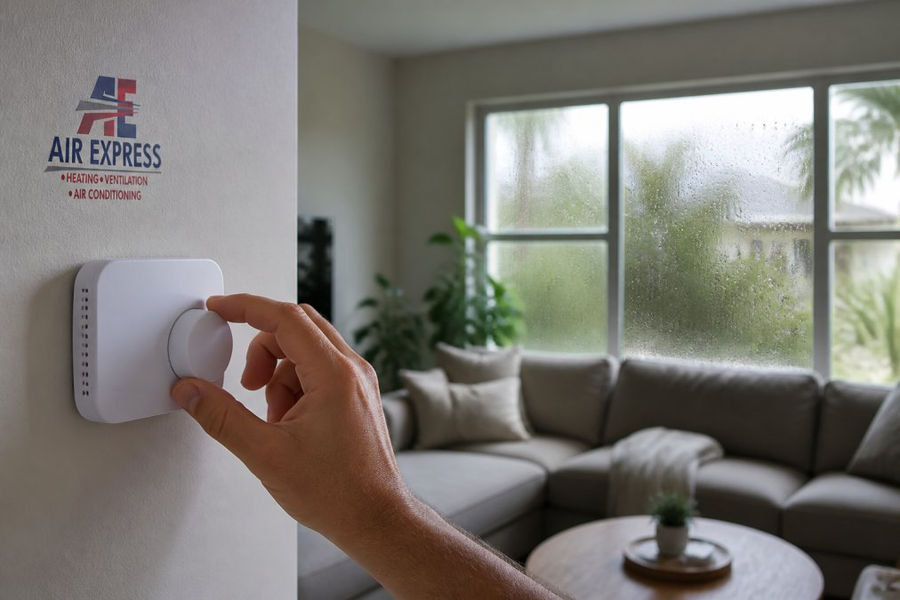
Your air conditioning system is your primary tool for controlling humidity. Thermostat settings determine how effectively your HVAC system removes moisture.
Temperature Settings and Humidity Removal
Set your thermostat to 72-76°F during humid months. If set to 78°F or higher, your AC won't run long enough to remove excess moisture.
Humidity is removed when warm, moist air passes over your system's cold evaporator coil and water condenses and drains away. Longer run times equal more dehumidification.
Fan Speed: Auto vs. Continuous
Set your fan to auto mode, not continuous. In auto mode, the fan runs only when the compressor is actively cooling, maximizing humidity removal. Continuous mode reevaporates moisture from the coil back into your home.
The Oversized AC Problem: Short Cycling and Why It Traps Humidity
An oversized air conditioning unit is an overlooked cause of persistent indoor humidity, especially in recently built homes or after recent AC replacement.
An oversized AC unit cools your home quickly, then shuts off after only 5-10 minutes, not long enough to remove meaningful moisture. This "short cycling" is common in new homes where contractors install units based on peak load calculations.
The result: your home is cold but feels clammy. The AC removed sensible heat (temperature) but not latent heat (moisture).
A properly sized system should run 15-20 minutes per cycle in humid conditions. If your compressor runs only 5-10 minutes, you likely have an oversized unit.
Solutions for Oversized AC Units
If you suspect your system is oversized:
Lower your thermostat to 70-72°F to force longer run times and more dehumidification (though this increases energy costs).
Install a variable-speed or two-stage system during your next replacement to run longer at lower capacity.
Use a standalone dehumidifier to handle latent load while your AC handles sensible cooling, often the most cost-effective short-term solution.
Have a professional HVAC technician assess your system to measure runtime, check refrigerant charge, and determine if the unit is truly oversized or if a refrigerant leak or dirty coil is causing short cycling.
Key Takeaway Key Takeaway: Humidity control requires runtime, not just temperature. An oversized AC that cools too fast will leave your home humid even when it feels cold. If your system runs for fewer than 15 minutes per cycle, investigate short cycling as the root cause.
Step 2: Install and Maintain Proper Air Filtration
A clogged air filter restricts airflow and reduces your system's ability to remove moisture.
Pursuit Real Estate
Step 3: Improve Home Ventilation and Use Exhaust Fans
Ventilation removes moisture-laden air and replaces it with drier outdoor air, especially important in bathrooms and kitchens.
Step 4: Seal Air Leaks and Strengthen Your Thermal Envelope
Sealing air leaks reduces humid outdoor air infiltration and helps your HVAC system maintain lower humidity.
Step 5: Maintain Your HVAC System for Humidity Control
Regular HVAC maintenance ensures your system operates at peak efficiency for humidity control. A well-maintained system removes moisture more effectively than a neglected one.
Professional Maintenance Schedule
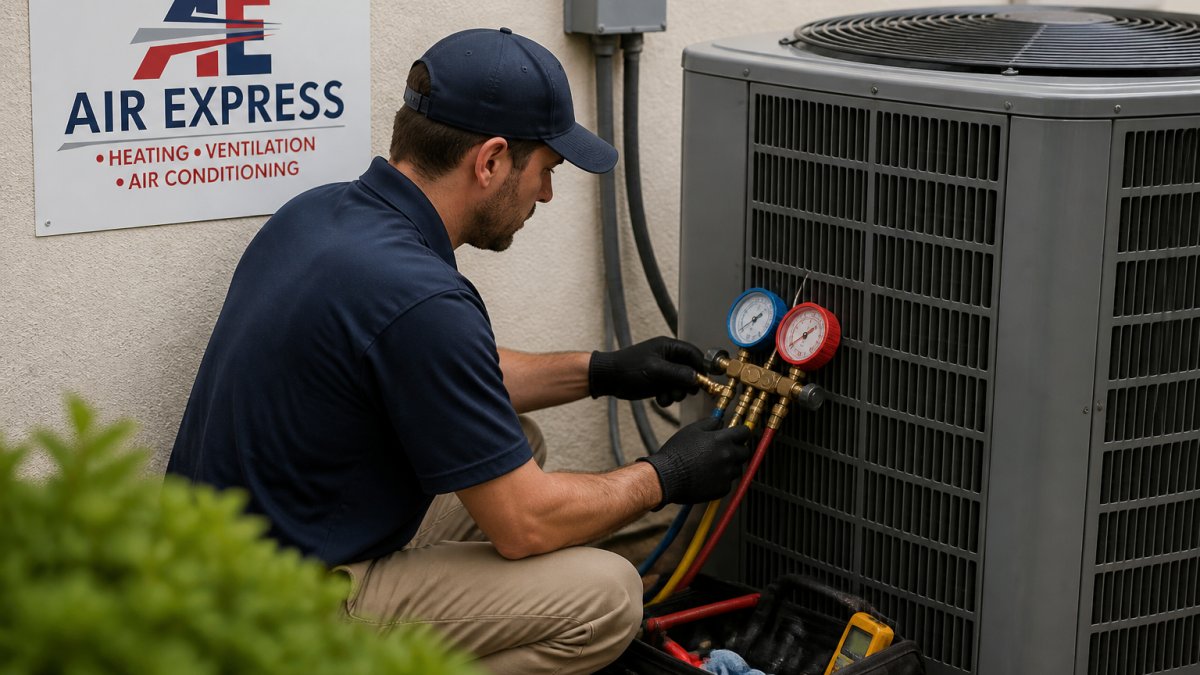
Schedule professional maintenance twice yearly, once before summer cooling season and once before winter heating season. During a maintenance visit, a technician will:
Clean the evaporator coil (where moisture condenses)
Check the condensate drain line for clogs
Inspect the air handler for proper operation
Test refrigerant levels
Verify thermostat calibration
Dehumidifier vs. Lower AC Temperature: A Cost-Benefit Analysis
If your HVAC system alone cannot reach your target humidity level (below 50%), you have two main options: run your AC at a lower temperature, or add a standalone dehumidifier. Understanding the energy cost of each approach helps you make an informed decision.
Running AC at Lower Temperature:
Lowering your thermostat from 76°F to 72°F increases AC runtime and dehumidification.
However, air conditioning is energy-intensive. Cooling costs roughly $0.50-$1.50 per hour of compressor runtime, depending on your local electricity rates and system efficiency.
For a 2,000-square-foot home in a humid climate, running AC 8 hours longer per day (to achieve lower humidity) can add $120-$360 to your monthly cooling bill.
This approach works best if your AC is undersized or properly sized; oversized units still short-cycle and waste energy.
Using a Standalone Dehumidifier:
A mid-sized dehumidifier (50-70 pints per day) uses 700-1,000 watts and costs roughly $0.10-$0.15 per hour to operate.
Running it 12 hours daily costs approximately $36-$54 per month in electricity.
Dehumidifiers are most cost-effective when your AC is oversized or when you need to target specific rooms (bedrooms, basements) rather than your whole home.
They are also essential for part-time or vacant homes (see below).
Humidity Management for Part-Time and Vacant Homes
If you own a vacation home, snowbird property, or rental that sits vacant for weeks or months, humidity control becomes even more critical. Without active cooling and ventilation, humidity can spike to 70-80%, creating ideal conditions for mold growth within days.
For Vacant Homes:
Do not rely on your main AC system alone. Set it to a higher temperature (76-78°F) to save energy, but run it continuously (not on a schedule) to maintain air circulation.
Install a standalone dehumidifier in the main living area and set it to run continuously. Ensure the condensate drain line runs to a floor drain or exterior vent; do not let water accumulate in a bucket.
Open interior doors to allow air circulation between rooms. Close exterior doors and windows tightly.
Consider a smart humidity monitor (with WiFi alerts) so you can check conditions remotely and adjust settings if humidity spikes.
If your home will be vacant for more than 30 days, ask a property manager to visit weekly and run exhaust fans for 30 minutes to refresh the air. Maintaining consistent airflow and moisture control remains the most effective strategy to stop window condensation while the property remains unoccupied.
For Seasonal Homes (Snowbirds):
Before closing your home for the season, run your AC at 72°F for 24 hours to remove accumulated moisture.
Leave a dehumidifier running at low capacity (set to 50% humidity) while you're away. This prevents mold without excessive energy use.
Install a smart thermostat that allows remote temperature adjustments. If humidity alerts trigger, you can lower the temperature remotely to run the AC longer.
Upon return, run your AC and dehumidifier together for the first 48 hours to restore the home to normal humidity levels.
Watch Out Critical for Vacant Homes: Mold can begin growing within 24-48 hours at humidity levels above 70%. A dehumidifier is not optional for homes left unoccupied for more than a week. The cost of mold remediation ($2,000-$10,000+) far exceeds the cost of running a dehumidifier ($30-$50 per month).
When to Call a Professional
If you've implemented all the steps above and humidity remains above 55% despite lower thermostat settings and a dehumidifier, your HVAC system may have a deeper problem:
Refrigerant leak (system loses cooling capacity)
Clogged evaporator coil (reduces moisture removal)
Oversized compressor causing short cycling (see Step 1)
Inadequate insulation or air sealing (humid outdoor air infiltrating faster than AC can remove it)
A professional HVAC technician can diagnose these issues and recommend targeted repairs or upgrades.
What Is the Ideal Indoor Humidity Level?
The ideal indoor humidity level is between 30% and 50%, with 40-45% being optimal for most homes. At this range, you avoid the problems of both high and low humidity.
Frequently Asked Questions
What humidity level should my house be in Florida?
The ideal indoor humidity level is between 30% and 50%. In humid climates, aim for the lower end of this range (30-40%) to prevent mold growth and dust mite proliferation. Humidity above 60% creates conditions for mold, while below 30% can cause respiratory irritation and damage to wood furnishings. Monitor your levels with an inexpensive hygrometer to stay within the healthy range.
How can I lower indoor humidity levels quickly?
Run your air conditioning system continuously (set your thermostat to cooling mode rather than auto), use exhaust fans in bathrooms and kitchens during and after showers or cooking, and open windows on cooler mornings to exchange humid indoor air. Close windows and blinds during the hottest parts of the day. For faster results, consider a standalone dehumidifier in high-moisture areas like basements or laundry rooms. These steps combined can reduce humidity noticeably within 24-48 hours.
What are the signs of high humidity in my house?
Look for condensation on windows and mirrors, musty odors, visible mold or mildew on walls or ceilings, sticky or damp surfaces, peeling paint or wallpaper, and a general feeling of stuffiness. You may also notice increased dust mites, which thrive in humid environments. If your home feels uncomfortable or you see water stains, your humidity is likely too high. A hygrometer provides exact readings, but these visual and sensory signs indicate you need to take action.
Can HVAC maintenance help reduce indoor humidity?
Yes. Regular HVAC maintenance is essential for humidity control. A dirty air filter restricts airflow, reducing your system's dehumidification capacity. Clogged condensate drain lines prevent moisture removal and can cause water damage. Refrigerant leaks reduce cooling efficiency, preventing proper moisture extraction. Professional maintenance includes cleaning drain lines, replacing filters, checking refrigerant levels, and ensuring your thermostat is calibrated correctly. Proper maintenance can improve humidity control by 15-25% and extend your system's lifespan.
GIVE US A CALL
Comments