Is an HVAC Energy Audit Worth the Cost?

Table of Contents
What an HVAC Energy Audit Actually Reveals
How an HVAC Energy Audit Works
Understanding Home Energy Audit Cost
ROI Timeline: When Your Audit Pays for Itself
Energy Audit Tax Credits and Rebate Programs
Professional HVAC Inspection Checklist
Bridging the Audit-to-Action Gap
Conclusion
Frequently Asked Questions
Last Updated: September 26, 2026
What an HVAC Energy Audit Actually Reveals
An HVAC energy audit is a detailed inspection of your heating and cooling system to identify where energy is wasted and money is being lost. A professional auditor uses specialized equipment to measure airflow, temperature distribution, and system efficiency. They then provide a report showing exactly what's costing you extra on utility bills.
Air leaks, poor insulation, and outdated equipment drain energy silently. An audit brings these hidden problems to light.
The real question is whether an HVAC energy audit worth the cost gets justified by the savings you'll actually achieve.
Pro Tip Request the audit report in writing. You'll want specific recommendations with estimated costs and payback periods, not just a verbal summary. This document becomes your roadmap for deciding which upgrades to prioritize.
How an HVAC Energy Audit Works
A professional energy audit typically takes two to four hours. The technician examines HVAC equipment, ductwork, and insulation levels, checking for obvious problems like disconnected ducts or damaged insulation.
Then they move to diagnostic testing. A blower door test measures how much air is leaking through your building envelope. Thermal imaging cameras detect temperature variations that reveal where heat escapes or cold air infiltrates. These tools show problems invisible to the naked eye.

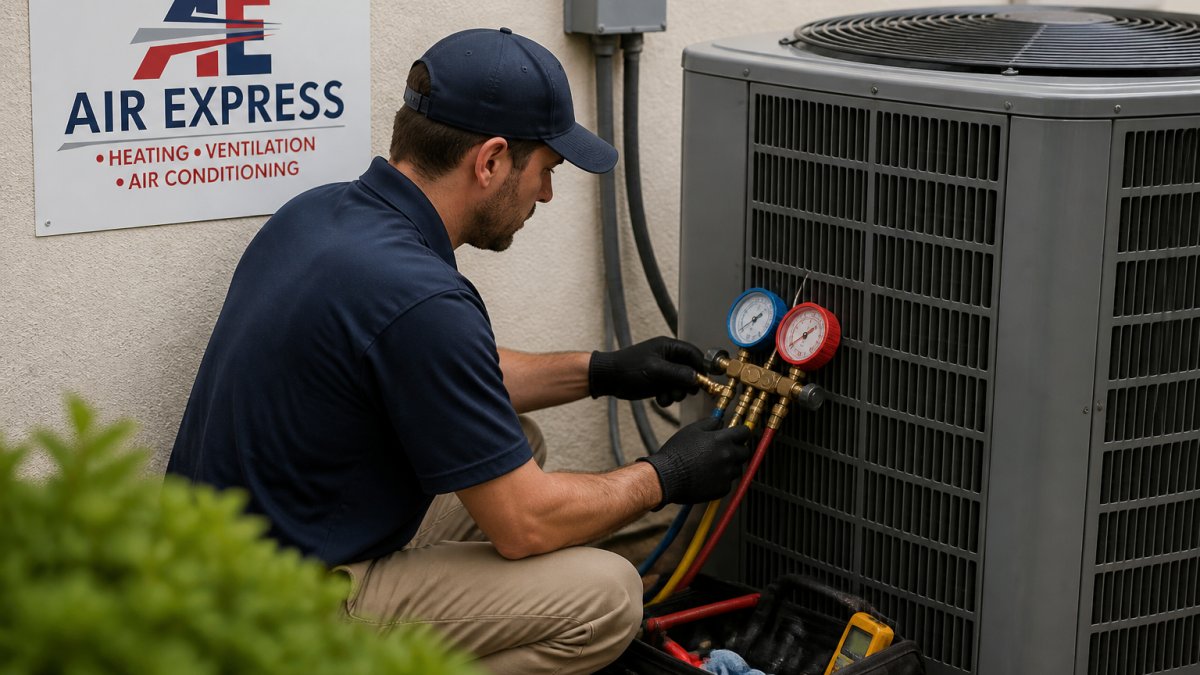
The auditor measures refrigerant levels, airflow, temperature rise or drop, thermostat calibration, and reviews utility bills to spot consumption patterns.
By the end, you'll have data on:
Air leakage rates and locations
Insulation R-values in key areas
System performance metrics
Energy waste hotspots
Recommended upgrades ranked by impact
Watch Out Avoid auditors who immediately recommend replacing your entire system. A thorough audit identifies specific problems first. Replacements should come only after air sealing and insulation upgrades have been evaluated.
Understanding Home Energy Audit Cost
Professional home energy audit costs vary by home size, location, testing depth, and provider. Simpler inspections cost less than comprehensive audits with thermal imaging and blower door tests.
Many utility companies offer free or discounted audits. Check with your local electric and gas providers first.
When paying out of pocket, remember this cost is often recoverable through rebate programs and tax credits.
Under $300 typically means limited diagnostic work. Over $500 should include comprehensive thermal imaging, blower door testing, and ROI calculations. Mid-range audits offer the best balance.
ROI Timeline: When Your Audit Pays for Itself
An HVAC energy audit pays for itself when its cost is less than the first year of energy savings from implementing recommendations.
The Basic ROI Formula
Payback Period (months) = (Audit Cost ÷ Annual Energy Savings) × 12
For example: A $400 audit recommends air sealing that will save $800 per year in heating and cooling costs. Payback = ($400 ÷ $800) × 12 = 6 months. After six months, every dollar saved goes directly to your bottom line.
Your audit report should include estimated savings percentages for each recommendation. If it doesn't, ask your auditor to provide them.
Comparing Upgrade Payback Periods
Air Sealing (Ductwork & Building Envelope): $500-$1,500 cost, 10-15% savings, 1-3 year payback. Low cost with immediate impact.
Insulation Improvements: $1,500-$3,500 cost, 10-20% savings, 2-5 year payback. Higher upfront cost but long-term durability; often qualifies for tax credits.
Thermostat Upgrade: $200-$400 cost, 5-10% savings, 1-2 year payback. Quick payback with minimal installation complexity.
HVAC System Replacement: $5,000-$10,000 cost, 15-30% savings (if system is 15+ years old), 5-10 year payback. Federal tax credits (up to $2,000) and utility rebates can reduce net cost by 20-30%.
Working Backward from Your Utility Bill
If your audit doesn't provide savings estimates, find your annual heating and cooling costs, apply the estimated savings percentage from each recommendation, then divide upgrade cost by annual savings.
The Compounding Effect
When Payback Period Matters Less
Key Takeaway The audit itself typically pays for itself within 6-18 months through the highest-ROI recommendations alone. The real question isn't whether the audit is worth the cost, it's which upgrades you'll prioritize and when you'll implement them. Use your audit report to rank recommendations by payback period, then execute them in order of ROI, not cost.
Energy Audit Tax Credits and Rebate Programs
The Residential Energy Credit allows homeowners to claim tax credits for qualifying energy-efficient equipment upgrades including HVAC systems, insulation, and windows that meet Department of Energy standards (Home energy tax credits).
Professional HVAC Inspection Checklist
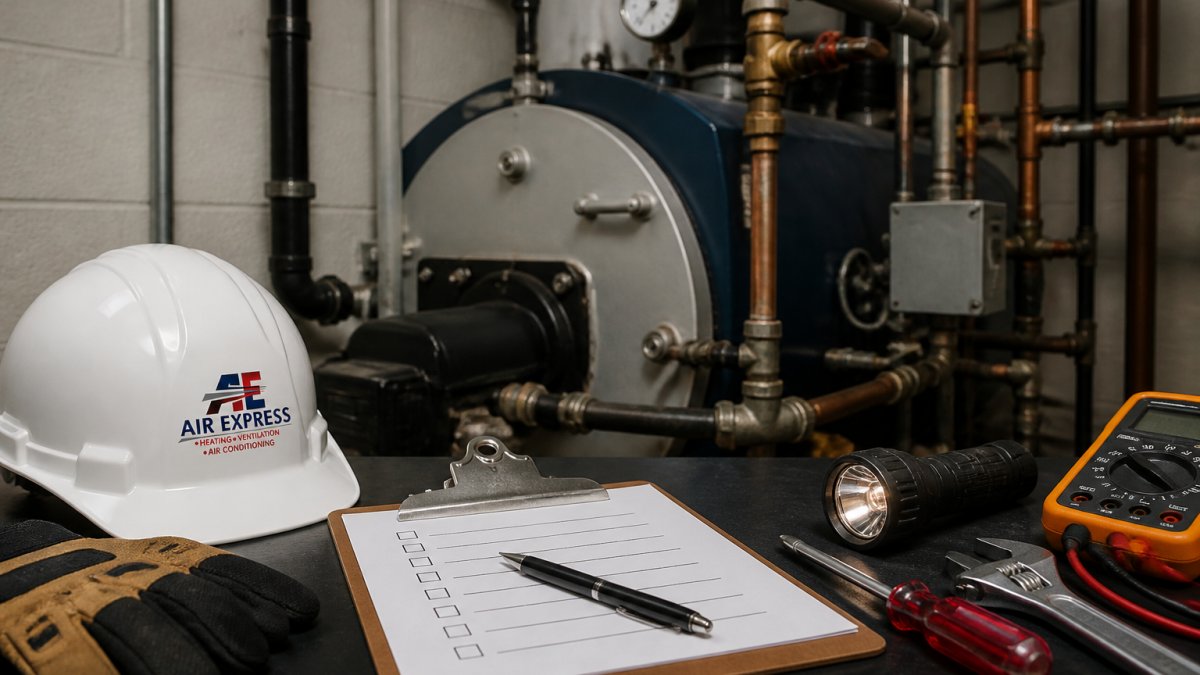
A comprehensive professional HVAC inspection checklist should cover: equipment age/model/efficiency, refrigerant charge, airflow, compressor performance, electrical connections, thermostat accuracy, ductwork condition and leakage, duct insulation, building envelope air leakage via blower door test, thermal imaging, insulation levels, window/door leaks, temperature differentials, humidity levels, system efficiency, and temperature control zones.
Best For Homeowners with older systems (15+ years), homes that feel drafty or have temperature inconsistencies, or anyone planning major upgrades and needing data-driven decisions.
Bridging the Audit-to-Action Gap
Most homeowners fail to act. Industry research suggests fewer than 40% of homeowners who receive an energy audit implement recommended upgrades within two years.
Thermostat Upgrade (Smart or Programmable)
What it fixes: Inefficient temperature control, manual adjustment delays, inability to learn occupancy patterns
Cost range: $200-$400 (smart thermostat); $100-$200 (programmable)
Energy savings: 5-10% of heating/cooling costs
Timeline to implement: 1-2 hours
Contractor type: HVAC technician or electrician
Best for: Homes with manual thermostats or those where occupants leave systems running when away
Limitation: Savings depend heavily on user behavior; won't fix equipment or envelope problems
HVAC System Replacement (Furnace, Air Conditioner, or Heat Pump)
What it fixes: Inefficient equipment, refrigerant leaks, compressor wear, inability to maintain consistent temperature
Cost range: $5,000-$10,000 (conventional system); $7,000-$15,000 (heat pump)
Energy savings: 15-30% (if replacing a system 15+ years old)
Timeline to implement: 1-2 days
Contractor type: Licensed HVAC contractor
Best for: Systems over 15 years old, frequent repairs, or efficiency ratings below 13 SEER (cooling) or 80% AFUE (heating)
Limitation: Highest upfront cost; doesn't address envelope or control issues
The Decision Framework: Which Upgrade First?
Phase 1 (Months 1-3): Quick Wins
Implement air sealing if your audit identified significant duct leakage or building envelope gaps
Install a smart thermostat if you don't have one
Cost: $700-$1,900
Expected savings: $300-$600 per year
Payback: 1-3 years
Why first: Low cost, quick implementation, immediate results
Phase 2 (Months 4-12): Foundation Work
Add insulation to attic or crawlspace if R-values are below code
Seal remaining air leaks identified in the audit
Cost: $1,500-$3,500
Expected savings: $400-$800 per year (combined with Phase 1)
Payback: 2-5 years
Why second: Builds on Phase 1 work; improves system efficiency before considering replacement
Phase 3 (Year 2+): Equipment Replacement
Replace HVAC system only if current equipment is 15+ years old, failing, or showing poor efficiency
By this point, Phase 1 and 2 upgrades have reduced your heating/cooling load, making a smaller (and cheaper) replacement system viable
Cost: $5,000-$10,000 (reduced by tax credits and rebates)
Expected savings: Additional 15-30% on top of Phase 1 and 2 savings
Payback: 5-10 years (but often qualifies for $2,000 federal tax credit)
Why last: Highest cost; most effective when combined with envelope and control improvements
Red Flags: When to Skip or Delay an Upgrade
New windows: Often recommended but rarely the highest ROI. Windows typically pay back over 10-15 years. Prioritize air sealing and insulation first; windows are usually Phase 3 or later
Full system replacement when equipment is 10-14 years old: Unless the system is failing, wait. Modern equipment is more efficient, and tax credits may improve by then
Insulation in already-well-insulated areas: Some homes have adequate attic insulation but poor basement insulation. Ask your auditor to prioritize by current R-value versus code standard
Financing Your Upgrades
Federal tax credits: Up to $2,000 for HVAC replacement, $600 for insulation, $250 for thermostats (2024 limits; check IRS.gov for current amounts)
Utility rebates: Many electric and gas providers offer $500-$2,000 rebates for qualifying upgrades
PACE financing: Property Assessed Clean Energy programs allow you to finance upgrades through your property tax bill
Contractor financing: Many HVAC and insulation companies offer 0% APR financing for 12-24 months
Home equity loans or lines of credit: Often offer lower interest rates than personal loans
Tracking Progress and Adjusting
Best For Homeowners with audit reports in hand who are uncertain about implementation order, budget constraints, or whether to tackle upgrades now or later.
Conclusion
An HVAC energy audit worth the cost depends on whether you'll act on the findings. If you're planning energy efficiency improvements, an audit provides the data you need to make smart decisions. It identifies the highest-impact upgrades and helps you pursue available tax credits and rebates.
Frequently Asked Questions
Is an HVAC energy audit worth it for my home?
An HVAC energy audit identifies where your home loses conditioned air and energy, typically through air leakage, poor insulation, and inefficient HVAC system performance. For most homeowners, the audit cost is recovered within 3-5 years through lower utility bills and targeted energy efficiency upgrades. Older homes and those with high energy consumption see faster payback periods. The real value lies in getting a professional assessment instead of guessing which upgrades will deliver the biggest savings.
What does a professional HVAC inspection checklist cover?
A thorough professional HVAC inspection evaluates your system's efficiency, refrigerant levels, ductwork condition, airflow balance, thermostat calibration, and combustion safety (for gas furnaces). Inspectors also assess your building envelope for air sealing opportunities, check insulation R-values, identify drafts around windows and doors, and measure thermal performance with tools like blower door tests and thermal imaging. The result is a detailed energy audit report that prioritizes upgrades by cost and impact.
Can an energy audit help me qualify for energy audit tax credits?
Yes. A professional energy audit can qualify you for federal tax credits when it leads to qualifying energy efficiency improvements. The Energy Policy Act and Inflation Reduction Act offer credits for upgrades like HVAC replacement, insulation, air sealing, and weatherization. You'll need documentation from your audit report to claim these credits. Check the IRS website or consult a tax professional for current credit amounts and eligibility requirements, as they change annually.
How much does a professional HVAC energy audit typically cost?
Pricing for a professional HVAC energy audit depends on your home's size, age, and the depth of testing required. For current pricing and a personalized quote, contact us directly. Many utilities offer rebate programs that offset part of the audit cost, and the investment typically pays for itself through energy savings within a few years.
GIVE US A CALL
Comments