Why Your AC Runs Constantly: 7 Fixes

Table of Contents
Why Your AC Runs Constantly During the Day
How Often Should AC Cycle On and Off
Dirty Air Filter Symptoms and Impact on Runtime
Refrigerant Leaks and Low Charge Levels
Frozen Evaporator Coils and Airflow Problems
Thermostat Calibration and Smart System Data
When to Call an HVAC Professional
Conclusion
Frequently Asked Questions
Last Updated: September 21, 2026
Why Your AC Runs Constantly During the Day
Your air conditioning system shouldn't run all day without stopping. When your AC running constantly occurs, it's burning energy and telling you something needs attention.
A system that cycles on and off throughout the day is normal. A system that never stops isn't. The difference matters for your comfort and your electric bill.
Most homeowners don't realize their AC is running too much until they see the energy costs spike. By then, the underlying issue has been running for weeks. The good news: you can identify and fix many of these problems yourself.
Below, we'll walk you through the seven most common reasons your AC runs constantly and what you can do about each one.
How Often Should AC Cycle On and Off
Your air conditioning system should cycle on and off regularly throughout the day. A healthy cycle typically runs 15 to 20 minutes, then shuts off for 5 to 10 minutes before restarting.
The exact timing depends on several factors:
Outdoor temperature and humidity
How well your home is insulated
Your thermostat setting
The size of your HVAC system
In summer heat, longer run times are normal. But your system should still have rest periods between cycles. If it runs for hours without stopping, that's a red flag.
Short cycling is the opposite problem. Your AC starts, runs for just a few minutes, then shuts off. Both extremes waste energy and stress your equipment.
The best way to track your system's performance is to watch it for a few days. Note how long it runs and how long it stays off. This baseline helps you spot when something changes.
Pro Tip Use your smart thermostat's data if you have one. Many modern thermostats log runtime and can show you patterns over weeks. This data is gold when diagnosing AC problems.
Dirty Air Filter Symptoms and Impact on Runtime
A dirty air filter is the most common reason your AC runs constantly. When the filter clogs with dust and debris, your system works harder to push air through.
Think of it like breathing through a clogged straw. Your AC has to run longer and harder to cool your home. The compressor stays on, the blower motor stays spinning, and your energy bill climbs.

Signs your filter needs changing:
Reduced airflow from vents
Dust buildup around air returns
Visible dirt on the filter itself
AC running longer than usual
Musty or stale smell from vents
Check your filter every month during cooling season. Most filters need replacing every 1 to 3 months, depending on dust levels and pet hair in your home.
Changing a filter takes 5 minutes and costs under $20. It's the cheapest fix on this list and often solves the problem entirely.
Watch Out Ignoring a clogged filter doesn't just waste energy, it can freeze your evaporator coil. When airflow is blocked, the coil gets too cold and ice forms on the copper tubing. A frozen coil stops cooling completely.
Refrigerant Leaks and Low Charge Levels
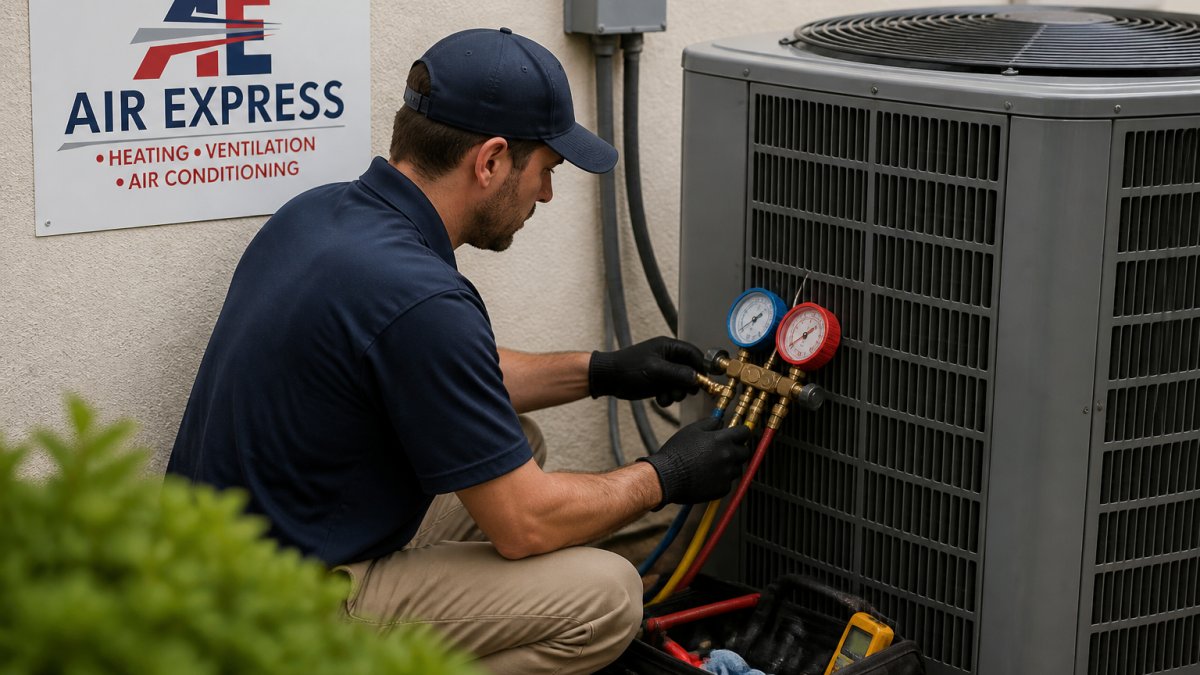
Refrigerant is the liquid that absorbs heat from your home. Your system should never lose refrigerant under normal conditions. If it's low, you have a leak somewhere.
Constellation
Low refrigerant forces your compressor to work harder. The system runs longer trying to reach your desired temperature but never quite gets there.
Signs of low refrigerant:
Weak or warm air from vents
Ice buildup on copper lines outside
Hissing or bubbling sounds from the unit
AC running but not cooling effectively
Higher electric bills with no temperature change
Frozen Evaporator Coils and Airflow Problems
Your evaporator coil sits inside your home, usually in the attic or basement. It's where refrigerant absorbs heat from your air. When airflow is blocked, the coil gets too cold and ice forms.
Common causes of frozen coils:
Dirty air filter (blocks airflow)
Closed or blocked supply vents
Leaky ductwork (air escapes before reaching the coil)
Low refrigerant (coil gets too cold)
Blower motor failing (can't push air through)
Thermostat Calibration and Smart System Data
Your thermostat tells your AC when to run and when to stop. If it's miscalibrated or configured incorrectly, it sends wrong signals to your system, forcing longer cycles than necessary.
Testing thermostat accuracy:
Place a standard thermometer 3 feet away from your thermostat, away from direct sunlight and air vents
Wait 15 minutes for it to stabilize
Compare the readings
If they differ by more than 2 degrees Fahrenheit, recalibration or relocation may help
Smart thermostat runtime analysis, a diagnostic superpower:
Access your thermostat's app or web portal and look for:
Daily runtime report: Shows total hours your AC ran each day. Normal summer operation can vary. If your system runs 20+ hours daily in normal summer weather, something is wrong.
Cycle frequency: Count how many times your AC turns on and off per hour. Healthy systems cycle regularly. More than 6 cycles per hour (short cycling) or fewer than 1 cycle per hour (constant running) signals a problem.
Temperature swing data: Smart thermostats track how much your indoor temperature fluctuates. If your home swings 3-5 degrees between cycles, your system may be struggling. Swings of 1-2 degrees are generally normal.
Humidity logs: Many smart thermostats track indoor humidity. If humidity stays high even when your AC is running, your system may not be dehumidifying properly, a sign of low refrigerant, a clogged filter, or inadequate airflow.
How to use this data to diagnose:
Key Takeaway Smart thermostat data is your diagnostic baseline. Before calling for service, pull your system's 7-day runtime report and note your average daily run time, cycle frequency, and any temperature swings. Share those numbers with your technician, they'll pinpoint the issue faster and may save you a service call if the data shows normal operation.
When to Call an HVAC Professional
Some AC problems you can fix yourself. Others need professional tools, refrigerant certification, and expertise. Knowing the difference saves you time and money.
DIY fixes you can attempt:
Air filter replacement (under $20, takes 5 minutes)
Checking and clearing blocked vents and returns (free, takes 10 minutes)
Verifying thermostat settings and testing calibration accuracy (free, takes 15 minutes)
Inspecting visible ductwork for disconnections or obvious damage (free, takes 10 minutes)
Issues that require professional diagnosis:
Your AC runs constantly and changing the filter didn't help
You suspect a refrigerant leak (hissing sounds, ice on outdoor lines, weak cooling despite constant running)
Your coil is frozen or you see ice buildup on copper lines
Your system won't reach your set temperature no matter how long it runs
You hear unusual sounds like hissing, grinding, or a compressor that clicks on and off rapidly
Your electric bill spiked 20% or more with no explanation
Your blower motor runs but produces little airflow Excessive heat trapped in upper levels of your home often forces the system to cycle indefinitely, making it essential to cool a hot attic to reduce the thermal load on your cooling equipment.
Understanding the cost-benefit of repair:
At the national average electricity rate of $0.14 per kilowatt-hour:
Extra 8 hours × 4,500 watts ÷ 1,000 = 36 kilowatt-hours per day
36 kWh × $0.14 = $5.04 per day in extra cooling costs
$5.04 × 30 days = $151 per month in excess energy costs
What to expect from a professional HVAC technician:
A qualified technician will:
Measure your system's refrigerant pressure (requires EPA certification)
Check airflow at supply and return vents with an anemometer
Test thermostat accuracy with a calibrated thermometer
Inspect ductwork for leaks or disconnections
Listen for unusual compressor or motor sounds
Check electrical connections and capacitor function
Review your smart thermostat data if available
Best For If your AC runs constantly and you've already changed the filter and checked your vents, professional diagnosis is your next step. The cost of a service call is small compared to the monthly energy waste of a malfunctioning system. A technician can identify the root cause and fix it quickly, often paying for itself within weeks through energy savings.
Conclusion
Your AC running constantly is a sign something needs attention. It might be as simple as a dirty filter or as complex as a refrigerant leak. The seven fixes we've covered cover the most common causes.
Frequently Asked Questions
Is it normal for my AC to run 20 hours a day?
No. A properly functioning AC should cycle on and off throughout the day, not run continuously. Running 20 hours daily signals a problem, often a refrigerant leak, dirty air filter, or thermostat malfunction. During extreme heat waves, runtime increases, but 20 hours is excessive. Check your air filter first, then contact an HVAC professional if the issue persists. Continuous operation wastes energy and accelerates wear on your compressor.
Can a dirty air filter cause an AC to run constantly?
Yes. Dirty air filter symptoms include reduced airflow, which forces your system to work harder to cool your home. The blower motor runs longer, and your compressor stays on to maintain your desired temperature. A clogged filter restricts air reaching the evaporator coil, reducing cooling capacity. Replace your filter every 1-3 months depending on usage and pets. This simple maintenance often solves constant-running issues and improves energy efficiency.
How do I know if I need to call an HVAC professional?
When to call HVAC professional: if your AC runs constantly after checking the air filter and thermostat settings, if you notice ice on refrigerant lines, if your system cycles on and off rapidly (short cycling), or if rooms stay warm despite the system running. Also call if you hear unusual noises, smell burning odors, or suspect a refrigerant leak. Professional diagnostics cost less than ignoring the problem, continuous operation damages your compressor and increases repair costs.
Is it normal for my air conditioner to run all day in 100-degree weather?
Extended runtime during extreme heat is normal, but not all day without cycling. Your AC should still cycle on and off as it reaches your setpoint. In 100-degree weather, expect longer run times and shorter off cycles. If your system never stops, even at night when outdoor temperatures drop, the problem is mechanical, not weather. Check for refrigerant leaks, blocked vents, or insulation gaps. Heat gain through poor insulation or ductwork leakage forces your system to run longer than necessary.
GIVE US A CALL
Comments