Emergency AC Repair: When You Need Us Most

Table of Contents
What Is Considered an AC Emergency
Signs Your System Needs Immediate Help
When to Wait vs. When to Call Now
AC Troubleshooting Steps Before You Call
Safe Checks You Can Perform Yourself
When to Stop and Call a Professional
How to Request Emergency AC Repair Service
What Information to Have Ready
Dispatch and Response Timeline
What to Expect From an Emergency HVAC Service Call
On-Site Diagnostic and Assessment
Repair Options and Next Steps
AC Repair Cost Factors for Emergency Service
After-Hours and Same-Day Service Charges
Upfront Pricing and Financing Options
Protecting Your Home and Family While Waiting
Heat Safety for Vulnerable Household Members
Steps to Reduce Indoor Temperature
Why 24/7 Emergency AC Repair Matters
Rapid Response and Same-Day Service Availability
Service Guarantees and Peace of Mind
Frequently Asked Questions
Last Updated: October 12, 2026
What Is Considered an AC Emergency
An AC emergency isn't just about comfort, it's about safety. When your air conditioning fails during extreme heat, indoor temperatures can become dangerous, especially for children, elderly family members, and pets. The difference between a routine repair and an emergency comes down to how quickly your home loses its ability to stay at a safe temperature.
Signs Your System Needs Immediate Help
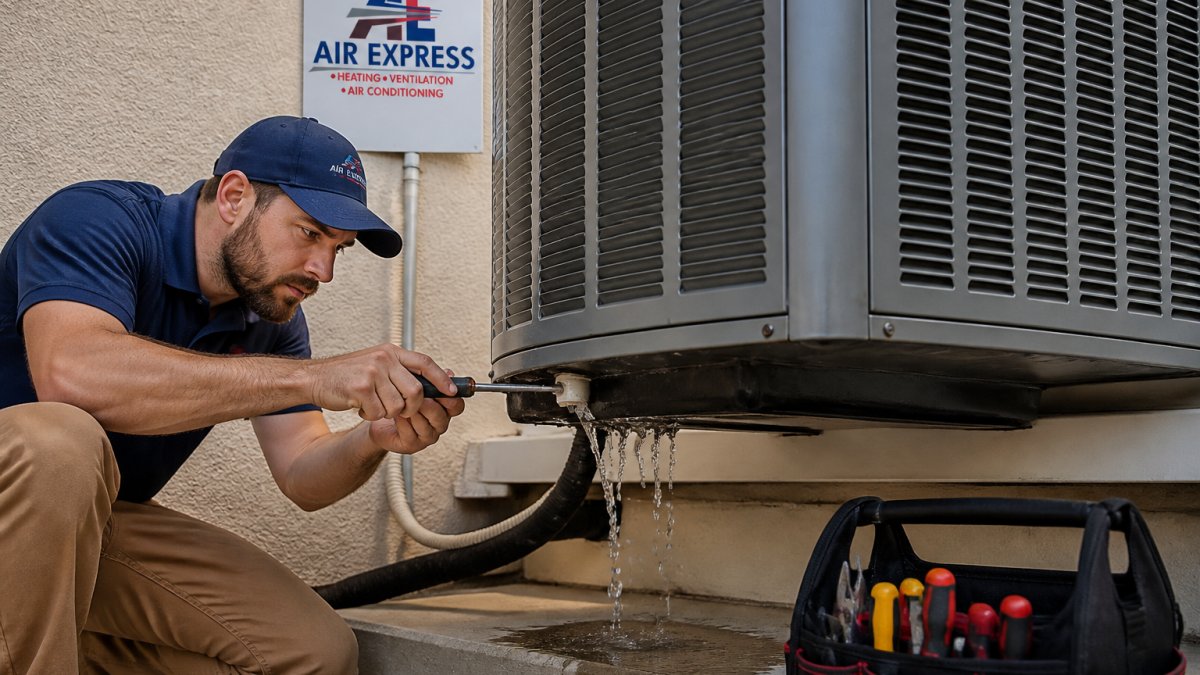
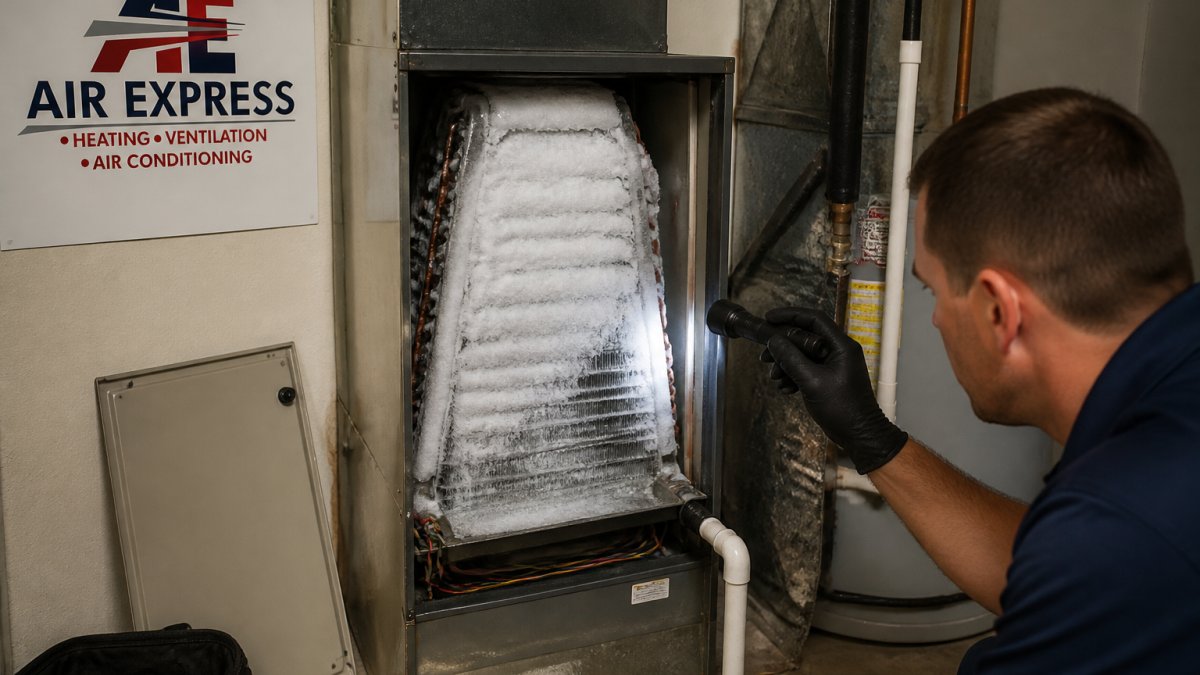
Your AC is failing if you notice no cool air from vents despite the unit running, warm air from the compressor, or a complete shutdown. Grinding, squealing, or banging noises indicate mechanical failure. Visible leaks around the indoor unit or outdoor condenser suggest refrigerant loss. If the thermostat shows the system is on but rooms stay hot, the compressor may have failed.
Electrical issues also signal emergency status. A burning smell, sparks near the outdoor unit, or a tripped circuit breaker point to serious problems requiring immediate professional attention, not DIY troubleshooting.
When to Wait vs. When to Call Now
Not every AC problem requires emergency service. If your system cools slowly or one room stays warmer than others, you likely have time for a standard repair appointment, since these suggest minor issues like a clogged filter or thermostat miscalibration.
Call for emergency AC repair immediately if your home reaches 78 degrees or higher indoors, if vulnerable people (infants, elderly, those with health conditions) are in the house, or if the system has stopped cooling completely. During peak summer heat, even a few hours without AC can become dangerous. At Air Express HVAC LLC, our 24/7 availability means help is available whenever you need us most.
AC Troubleshooting Steps Before You Call
Before requesting emergency service, perform a few safe checks that often identify simple fixes and restore cooling without a service call.
Safe Checks You Can Perform Yourself
Start with the thermostat. Verify it's set to "Cool" mode, not "Heat" or "Off," and that the temperature setting is lower than the room temperature.
Next, inspect the air filter. A clogged filter restricts airflow and reduces cooling efficiency (HVAC Proper Installation of Filters). If it's visibly dirty (gray or brown instead of white), replace it with a new one matching your system's size.
Look at the outdoor condenser unit. Clear away debris, leaves, or lawn equipment blocking it to allow proper airflow. If the unit is extremely hot to the touch, the system is working hard but may be struggling.
Listen for the compressor. The outdoor unit should produce a low humming sound when running. If you hear nothing, check your thermostat again and listen for 2-3 minutes, since there's sometimes a delay before the compressor engages.
When to Stop and Call a Professional
Stop troubleshooting immediately if you smell burning, see sparks, or notice water pooling inside your home. Do not work on refrigerant lines, electrical connections, or the compressor, which require specialized training and tools.
If the breaker trips repeatedly after you reset it, do not keep resetting it, since this indicates an electrical fault that demands professional diagnosis. If filter replacement doesn't improve cooling, or you can't identify the problem after checking the thermostat and filter, it's time to call for emergency AC repair service.
How to Request Emergency AC Repair Service
Getting help quickly depends on providing clear information and knowing what to expect from the service request process.
What Information to Have Ready
When you call, be ready to describe your system's symptoms. Have your address ready, plus your AC unit's brand name, age, and major repair history if you know it. Mention what you found if you already checked the thermostat and filter.
Describe the problem specifically. Instead of "it's not working," explain that the compressor isn't running, warm air is blowing, or the system shut down completely. Note when the problem started and whether anyone in your home has health conditions that make heat exposure dangerous.
Describe any unusual sounds or electrical issues, since this helps the dispatcher prioritize your request and send the right technician with appropriate equipment.
Dispatch and Response Timeline
After you request emergency AC repair, the dispatcher will confirm your address and symptoms, then provide an estimated arrival window. At Air Express HVAC LLC, our 24/7 team coordinates rapid dispatch to minimize your wait time.
Once a technician is assigned, you'll receive confirmation. The technician arrives with diagnostic equipment and common repair parts.
What to Expect From an Emergency HVAC Service Call
Understanding the service process helps you prepare and know what happens next.
On-Site Diagnostic and Assessment
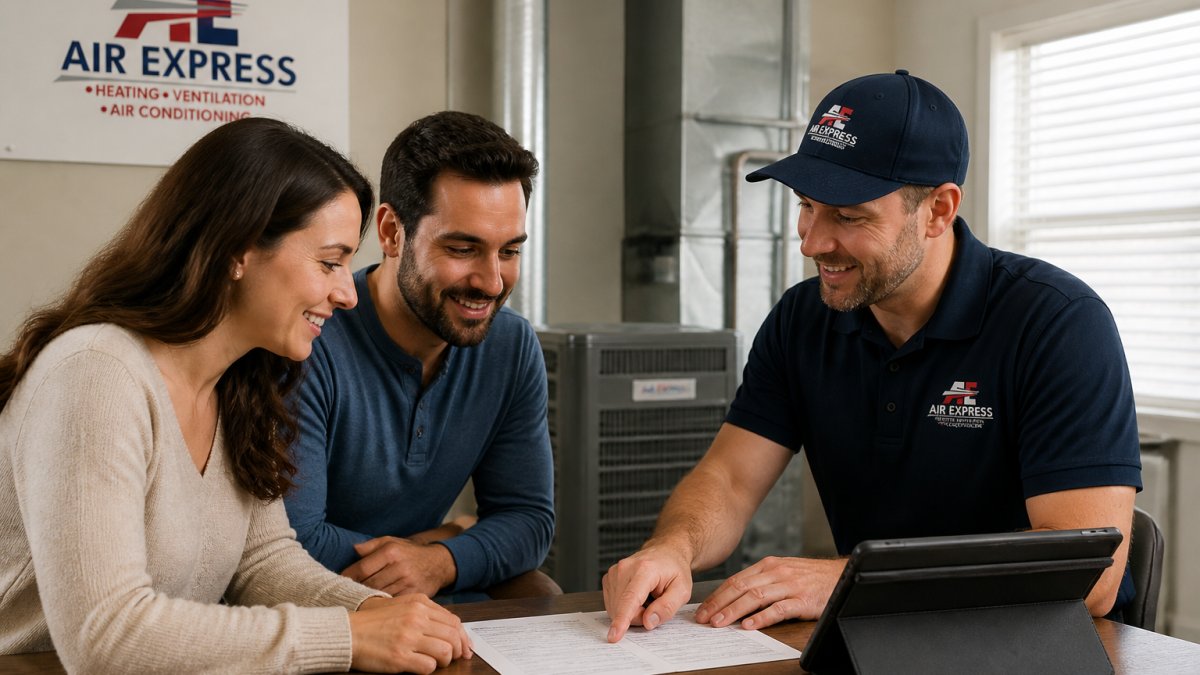
When the technician arrives, they'll inspect your outdoor condenser and indoor unit, check thermostat settings, listen to the system, and measure supply and return vent temperatures. This diagnostic reveals whether the problem is electrical, mechanical, or refrigerant-related.
The technician will explain the issue in plain language, whether it can be repaired today, what the repair involves, and your options if replacement is necessary.
Repair Options and Next Steps
For many emergency calls, the technician completes the repair the same day, with common fixes including replacing a failed capacitor, recharging refrigerant, or clearing a clogged line. If parts must be ordered or replacement is needed, they'll discuss timeline and next steps.
If repair costs are high, many homeowners explore whether replacement makes financial sense, especially for older systems. Air Express HVAC LLC's team can help you weigh repair versus replacement.
AC Repair Cost Factors for Emergency Service
Understanding what affects emergency AC repair pricing helps you prepare financially and avoid surprises.
After-Hours and Same-Day Service Charges
Emergency service calls carry additional costs beyond standard repair pricing. After-hours calls (evenings, nights, weekends) typically include a service charge for rapid dispatch and technician availability, and same-day service during peak summer demand may carry expedited fees.
The cost structure varies by repair. A simple capacitor replacement costs less than a refrigerant recharge or compressor replacement, and labor depends on repair time and complexity.
Upfront Pricing and Financing Options
Reputable emergency AC repair providers give you an estimate before work begins, covering diagnostic fees, labor, and parts, so you understand the total cost before authorizing the repair.
If the estimate is higher than expected, ask about financing options.
Protecting Your Home and Family While Waiting
The time between recognizing an AC failure and technician arrival can feel long, especially in intense heat. Taking action to cool your home and protect vulnerable people makes a significant difference.

Heat Safety for Vulnerable Household Members
Infants, elderly family members, and people with heart or respiratory conditions face serious risk during prolonged heat exposure. Move vulnerable people to the coolest room in your home, typically a basement or a room on the shaded side of the house. Keep them hydrated by offering water frequently, even if they don't feel thirsty.
Watch for heat exhaustion signs: excessive sweating, weakness, dizziness, or confusion (the CDC). If someone shows these symptoms, move them to a cool area, apply cool (not cold) water to skin, and contact a doctor if symptoms persist. Never leave infants or elderly people alone during an AC failure, check on them regularly.
Pets also need protection. Provide plenty of fresh water and create a cool resting area. Dogs and cats can develop heat stroke quickly. Keep them indoors and away from direct sunlight.
Steps to Reduce Indoor Temperature
Open windows on shaded sides of your home to create cross-ventilation. Close windows and blinds on the sunny side to prevent additional heat gain.
Close off rooms you're not using. This concentrates your home's remaining cool air in occupied spaces. If you have a basement, move to that level temporarily, basements stay cooler because they're below ground level.
Use your bathroom exhaust fan and kitchen range hood to pull hot air out of the house. Run these for 15-20 minutes at a time. Avoid using the oven or stove; these appliances generate significant heat. Stick to cold meals or microwave cooking.
If indoor temperature exceeds 85 degrees and vulnerable people are in your home, consider leaving temporarily. Visit a public space with air conditioning, a shopping mall, library, or community center. This isn't giving up; it's protecting health while waiting for professional help.
Why 24/7 Emergency AC Repair Matters
Having access to emergency AC repair service changes how you manage system failures. The availability alone provides peace of mind, but the real value emerges when you actually need it.
Rapid Response and Same-Day Service Availability
AC failures don't follow business hours. A system that stops cooling at 11 p.m. on a Saturday creates an immediate crisis, especially during summer heat waves. Companies offering 24/7 emergency AC repair ensure you're not trapped waiting until Monday morning.
Rapid response matters because heat builds quickly. Within a few hours, an unaired home can reach dangerous temperatures. Same-day service means the difference between a minor inconvenience and a serious health risk. Air Express HVAC LLC's round-the-clock availability means you can reach us immediately, regardless of when your system fails.
Service Guarantees and Peace of Mind
When you know emergency AC repair is available whenever you need it, you stop worrying about system failures. This confidence extends beyond the emergency call itself.
Many homeowners pair emergency service availability with preventive maintenance agreements. Regular maintenance reduces the likelihood of emergency failures and extends system lifespan.
When summer heat peaks and your AC fails, you need help immediately, not tomorrow, not in a few hours, but now. Don't face an AC emergency alone. Contact Air Express HVAC LLC for 24/7 emergency service and discover why homeowners throughout Southwest Florida trust us when they need us most.
Common AC Emergency Questions
Can I really fix my AC by checking the thermostat and filter? Yes, for some problems. A clogged filter or incorrect thermostat setting causes many cooling complaints.
What should I do if my AC unit is making a burning smell? Stop using the system immediately and call for emergency service.
Will emergency AC repair cost significantly more than regular service? Emergency service typically includes additional charges for after-hours availability and rapid dispatch.
How long can a home stay safe without AC during summer heat? This depends on outdoor temperature, home insulation, and who's in the house.
Frequently Asked Questions
What is considered an AC emergency in my area?
An AC emergency occurs when your system stops cooling completely during extreme heat, poses a safety risk (unusual burning smell, electrical sounds), or when indoor temperature climbs to dangerous levels for vulnerable household members like elderly residents, young children, or pets. If your home reaches 85°F or higher and you cannot safely wait until morning, contact emergency AC repair service immediately. System failures during heat waves are genuine emergencies because prolonged heat exposure can cause serious health complications.
Can I safely troubleshoot my air conditioner before calling for emergency AC repair?
Yes, perform basic checks first: verify the thermostat is set to cool mode and the temperature setting is lower than the current room temperature, check that the circuit breaker hasn't tripped, inspect the outdoor unit for visible debris or damage, and confirm the air filter isn't severely clogged. If your system makes unusual noises, emits burning smells, or shows signs of electrical problems, stop immediately and call a professional. These safety issues require expert diagnosis and should never be handled by homeowners.
What should I expect from an emergency HVAC service call?
A technician will arrive to perform a diagnostic assessment, examining your system's components, refrigerant levels, electrical connections, and airflow to identify the failure cause. They'll explain the problem and present repair options, including cost estimates and timelines. For emergency calls, technicians carry common replacement parts to enable same-day repairs when possible. After repairs, they'll test the system to confirm proper operation and discuss preventive maintenance to avoid future emergencies.
How much does emergency AC repair typically cost?
Emergency AC repair pricing depends on the specific problem, system type, required parts, and whether service occurs during standard or after-hours. After-hours calls typically include additional service charges. Contact Air Express HVAC LLC directly for a diagnostic visit and upfront estimate; many emergency repairs qualify for financing options to manage costs. The 10-year worry-free parts and labor guarantee is available for eligible systems.
GIVE US A CALL
Comments