Is It Safe to Run AC With Water Leak?

Last Updated: October 25, 2026
Quick Summary
Is it safe to run ac with water leak depends on where the water is leaking. Water pooling inside your home demands immediate attention and you should turn off the system, but water dripping outside the unit during normal operation is often just condensation and you can usually keep running the AC safely.
Water leaking inside your home can damage drywall, insulation, flooring, electrical wiring, and structural framing over time.
Water dripping from the outdoor unit is typically normal condensation and poses no risk to the system.
Mold can develop within 24-48 hours from indoor water damage according to the CDC.
Call a professional immediately if water is pooling inside your home or you see ice on the evaporator coil.
Small puddles after the AC runs around the outdoor unit are normal, but consistent pooling warrants professional service.
Table of Contents
Should I Turn Off AC Leaking Water?
The short answer is: it depends on where the water is leaking. Water pooling inside your home demands immediate attention. Turn off the system and call a professional. But water dripping outside the unit during normal operation is often just condensation, and you can usually keep running the AC safely.
This distinction matters because many homeowners panic at the first sign of moisture. Not every water leak signals a serious problem. However, is it safe to run ac with water leak depends entirely on identifying what's causing the leak and where it's happening.
The key is knowing what to look for and when to act.
The Risks of Running Your AC With Water Leaking
Running an air conditioner with an active water leak carries real risks, but the severity depends on the leak's location and cause.
Water leaking inside your home is the most serious scenario. This can damage:
Drywall and insulation
Flooring and subflooring
Electrical wiring and components
Structural framing over time
Water pooling around the outdoor unit is less urgent but still worth addressing. Pooling water can damage the unit's components and create a breeding ground for mold and bacteria. However, small amounts of water dripping from the outdoor unit are typically normal condensation and don't require you to shut down immediately.
According to guidance on AC water leaks from Able Air Conditioning & Heating, water leaking outside is often normal condensation, while heavy pooling warrants concern. This differs from water leaking indoors, which recommends turning the system off and arranging repair.
The bottom line: Inside leak? Stop the AC now. Outside leak with minimal water? Monitor it, but you can usually continue running the system while you arrange service.
The severity of an AC water leak depends on where the water is leaking and what it can damage.
Leak Location | What It Can Damage | Urgency |
Inside your home | Drywall, insulation, flooring, electrical wiring, structural framing | Turn off AC immediately |
Outdoor unit pooling | Unit components, creates mold and bacteria breeding ground | Address soon but less urgent |
Outdoor unit dripping | Minimal risk | Normal condensation, can continue running |
Air Conditioner Leaking Water Causes and How to Spot Them
Understanding what causes the leak helps you decide whether to keep running the AC or shut it down immediately. Three main culprits account for most water leaks in Fort Myers.
Clogged AC Condensate Drain Line
Signs of a clogged drain:
Water pooling near the indoor unit
Musty odors from the AC vents
Water stains on ceilings or walls below the unit
Slow draining or standing water in the drain pan
Learn the most common causes and how to fix them fast with detailed explanations and DIY steps for addressing this issue.
Frozen Evaporator Coil
What causes a frozen coil:
Dirty air filter blocking airflow
Low refrigerant levels
Closed or blocked vents
Running the AC in very cold outdoor temperatures
Explore frozen evaporator coil symptoms in detail, including ice buildup, weak airflow, and water pooling indicators.
Broken or Disconnected Drain Pan
Signs of a damaged drain pan:
Water leaking directly below the indoor unit
Visible rust or corrosion on the pan
Water pooling in your attic or crawl space
Musty smells from water damage
Learn how to replace a rusted AC drain pan with step-by-step instructions and cost estimates to understand your repair options.
Inside vs. Outside: Where Is the Water Coming From?
Water leaking inside your home indicates a problem within the indoor unit. The condensate drain system isn't working properly. This could be a clogged line, cracked pan, or disconnected drain. Inside leaks demand immediate attention. Stop the AC and call a professional. Water damage spreads quickly, and mold can develop within 24-48 hours (the CDC).
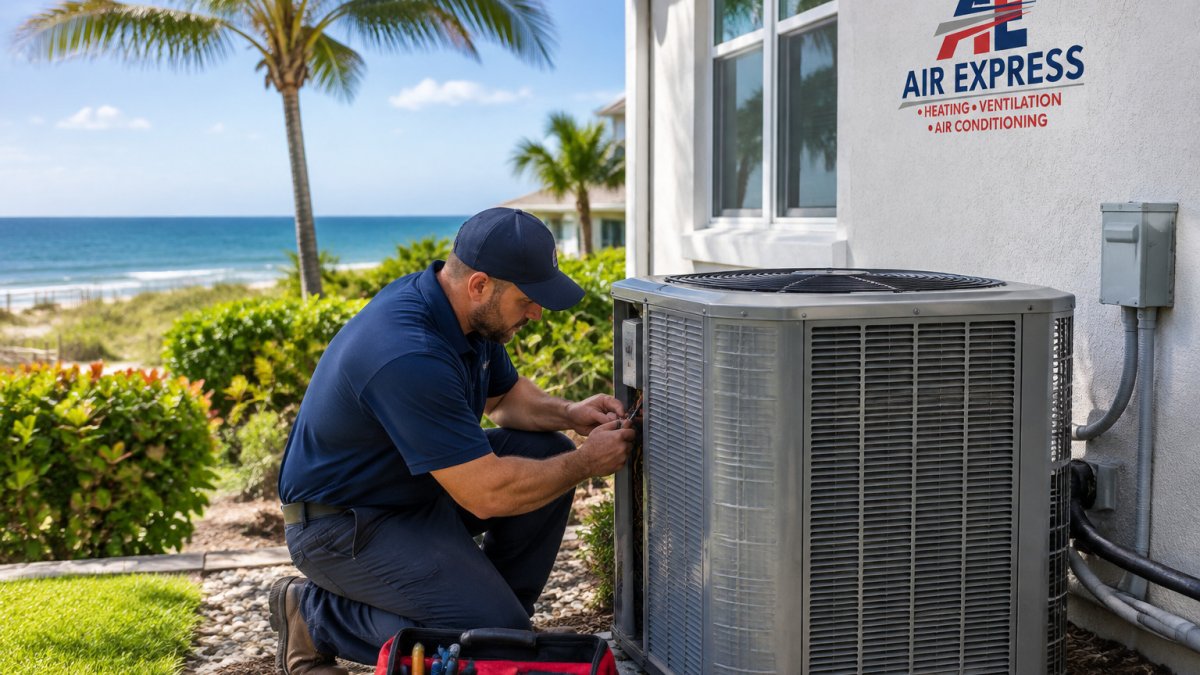
Water dripping from the outdoor unit is usually normal. The outdoor coil releases moisture as part of the cooling process. Small amounts of water dripping from the base of the outdoor unit are expected, especially on humid days in Fort Myers. This water is condensation and poses no risk to the system. You can safely continue running the AC.
Water pooling around the outdoor unit falls in between. Small puddles after the AC runs are normal. But if water pools consistently or in large quantities, the outdoor unit may have a refrigerant leak or other internal damage. Monitor the situation and call for service if pooling continues.
What to Do Right Now if Your AC Is Leaking Water
Step 1: Locate the leak.
Step 2: Turn off the AC if water is inside.

Step 3: Check the air filter.
Step 4: Inspect the drain pan and line.
Step 5: Call for professional service.
AC Leaking Water Repair in Fort Myers: When to Call a Professional
Call immediately if:
Water is pooling inside your home
You see ice on the evaporator coil
The AC is making unusual noises
You smell musty or moldy odors
Water damage is visible on walls or ceilings
You might handle yourself if:
The air filter is visibly dirty
The drain line is visibly disconnected
Water is only dripping outside in small amounts
The outdoor unit shows no pooling or damage
Find out what a leaking AC repair costs, from diagnostic fees to refrigerant recharge and component replacement, so you understand pricing factors before calling.
Air Express HVAC LLC provides 24/7 HVAC services throughout Southwest Florida. Our team services all brands, makes, and models. With our 10-year worry-free parts and labor guarantee, you're protected after we leave.
Learn when to call for emergency AC repair and what to expect, including costs and safe steps while waiting for a technician to arrive at your home.
Schedule Your Emergency AC Inspection Today
Air Express HVAC LLC responds to emergency calls 24/7 in Fort Myers and surrounding areas. Our technicians arrive ready to diagnose and repair the problem. We stand behind every repair with our guarantee. Give us a call and let us stop the leak and restore your cooling system today.
Frequently Asked Questions
Is it safe to run an AC that is leaking water?
Running your AC while it leaks water indoors carries real risks: water damage to your home, electrical hazards, and compressor failure. Water leaking outside in small amounts during normal operation is often condensation and may be safe, but pooling water or leaks inside require immediate attention. Turn off your system and call a professional if water appears indoors or accumulates outside.
Can I run my AC if the condensate drain line is clogged?
A clogged AC condensate drain line will cause water to back up into your home, potentially damaging walls, ceilings, and electrical components. Do not run your AC until the drain is cleared. A clogged line is one of the most common causes of indoor leaks and is usually quick and affordable to repair when caught early.
What are the main causes of air conditioner leaking water?
The most common causes include a clogged condensate drain line, frozen evaporator coils (often from low refrigerant or poor airflow), a damaged or disconnected drain pan, and worn seals. Dirty air filters and low refrigerant are frequent culprits. Identifying the cause is essential, some issues require immediate shutdown, while others may allow brief operation if water is only leaking outside.
When should I call an HVAC technician for an AC water leak?
Call immediately if water is leaking inside your home, pooling around the outdoor unit, or if you see ice on the evaporator coil. Also call if the leak persists after you check the drain line or if your AC stops cooling properly. Air Express HVAC offers 24/7 emergency service, don't wait for business hours when water damage can spread quickly.
Water leaking from your AC demands fast action, but not every leak requires panic. Knowing where the water is coming from and what caused it guides your next move. Inside leaks need immediate professional attention. Outside leaks often indicate normal condensation. Air Express HVAC LLC has the expertise to diagnose your specific situation and repair it right. Contact us now for same-day service.


Comments